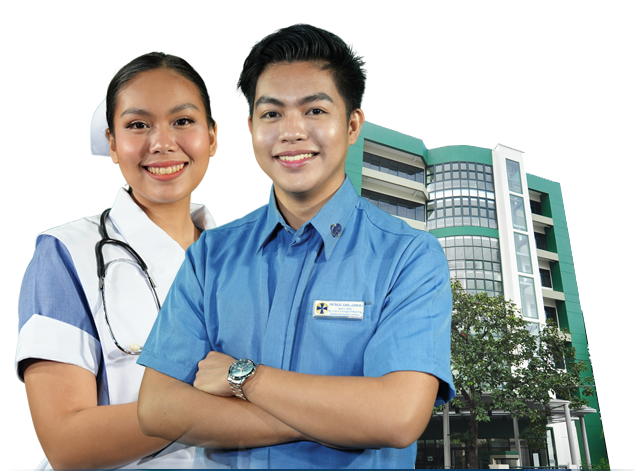
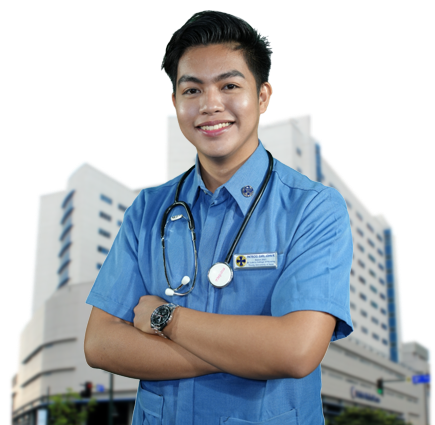
The College of Medical Technology is committed to producing highly skilled, competent, and ethical medical technologists. Our program offers a rigorous curriculum that combines foundational sciences, laboratory practice, and clinical exposure, that prepares students to excel in diagnostic testing, laboratory procedures, and research. With state-of-the-art facilities and a strong emphasis on hands-on learning, we equip our graduates with the knowledge and expertise needed to meet the growing demands of the healthcare industry, both locally and globally.
What are the College of Medical Technology programs?
College of Medical Technology
The college is renowned for its integration of rigorous academic training with extensive clinical experience, preparing students for various roles in the healthcare field. With a focus on evidence-based practice, leadership, and specialized care, St. Luke’s College of Nursing aims to produce highly skilled and compassionate nursing professionals.
The Master of Science in Medical Technology at The University of Akron (TUA) is a specialized graduate program that provides students with advanced knowledge and skills in the rapidly evolving field of medical technology. The curriculum emphasizes the application of technology in healthcare, including medical devices, diagnostics, and laboratory techniques. Students gain expertise in biomedical engineering, regulatory standards, and healthcare innovation, preparing them for careers in medical research, clinical settings, and the medical device industry.
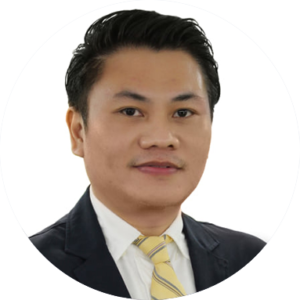
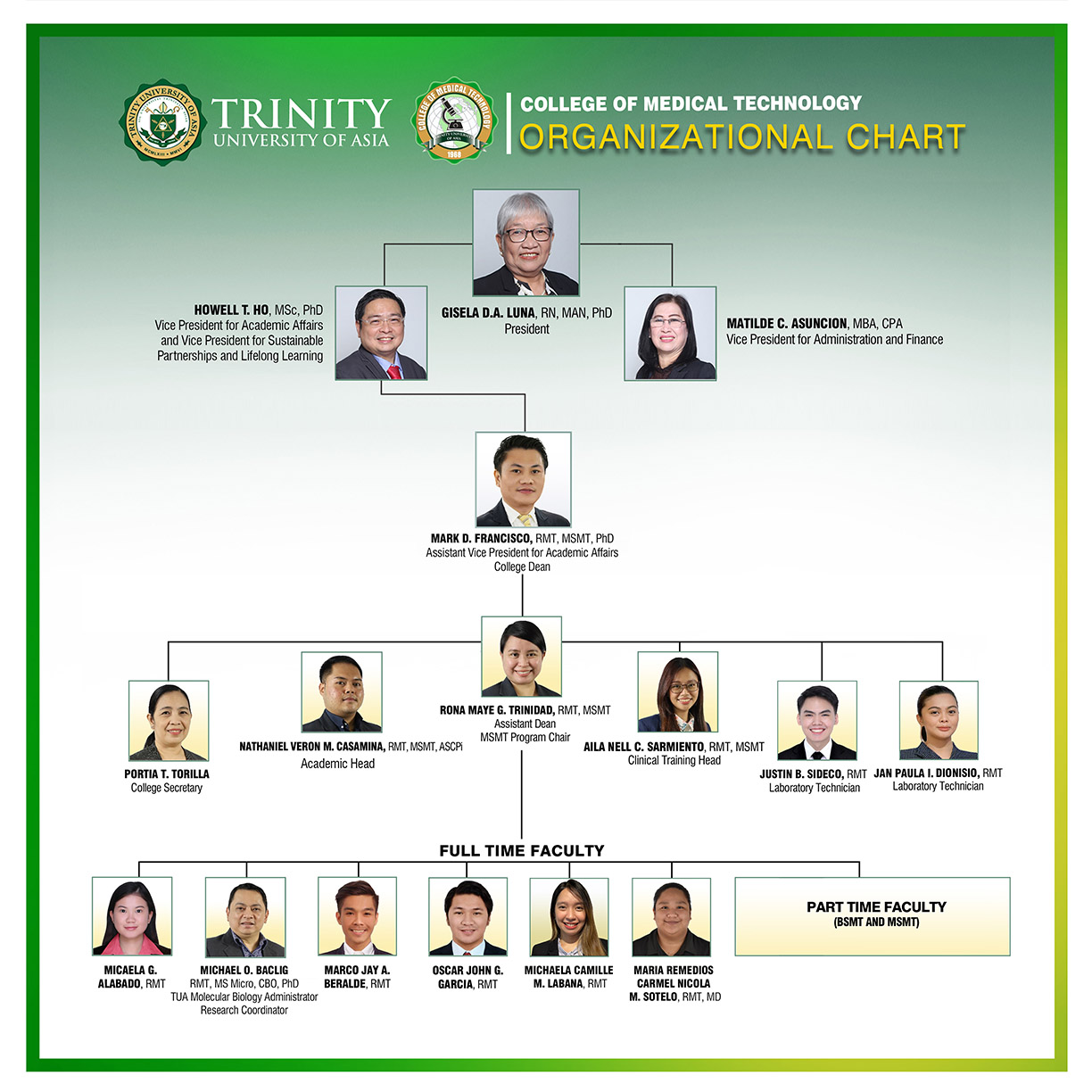
Mark D. Francisco, RMT, MSMT, PhD is the current Dean of the College of Medical Technology. Mr. Francisco graduated at National Sun Yat-sen University (NSYSU) in Taiwan for his Doctor of Philosophy in Biomedical Science degree as a grant recipient, Master of Science in Medical Technology from the Philippine Women’s University (PWU), and Bachelor of Science in Medical Technology at Trinity College of Quezon City (TCQC), Philippines. His research of interest focuses on medical microbiology, clinical chemistry, and point-of-care testing devices. He became a research fellow at the graduate school of medicine, Osaka University, Japan in 2009. He was invited to different local and international conferences as a resource speaker. His publications to peer reviewed journals on the topics MRSA-bacterial drug resistance, vein finder prototype device, and Lithium-Ion Battery Separator.
As a lecturer he handled the General Pathology, Histopathologic, and Cytologic Techniques course at Trinity University of Asia for more than 15 years. Before shifting to academia, he was a practicing Medical Technologist assigned in the Histopathology Section for 3 years. Also being invited by schools offering medical technology programs as a resource speaker for histopathology techniques topics. Moreover, he is an active member of the Philippine Society for Histotechnology, Inc.
Accreditations and Affiliations
LEVEL III – Bachelor of Science in Medical Technology – Philippine Accrediting Association of Schools, Colleges, and Universities
CENTER OF DEVELOPMENT as recognized by the Commission on Higher Education (CHED)
Student Organizations
The Trinity University of Asia College of Medical Technology Student Organizations comprise a group of dynamic and engaged student-led associations that support the academic, professional, and personal development of students pursuing a degree in Medical Technology. These organizations provide a platform for leadership, collaboration, and service, helping students enhance their skills and prepare for successful careers in healthcare and medical technology. Through various activities, such as academic seminars, hands-on workshops, symposia, and research presentations, the organizations promote a deeper understanding of the medical technology field. In addition to academic enrichment, they also prioritize community engagement by organizing medical missions, outreach programs, and health advocacy initiatives, allowing students to apply their knowledge in real-world settings and contribute to public health causes. By fostering a sense of unity and purpose, the student organizations at the College of Medical Technology help students build professional networks, develop leadership skills, and make meaningful contributions to both the university and society.